Innovationsin wound care
Proper wound care demands precision. It requires the right tools, the right systems, and relentless refinement.
Over years of treating wounds in various settings including skilled nursing facilities, a long-term acute care hospital, homes, and the streets, AAA Wound Care has tested, redesigned, and reimagined every aspect of wound care delivery.
These innovations lead to better healing outcomes for patients and better working conditions for providers.
High-Tech Headlamps
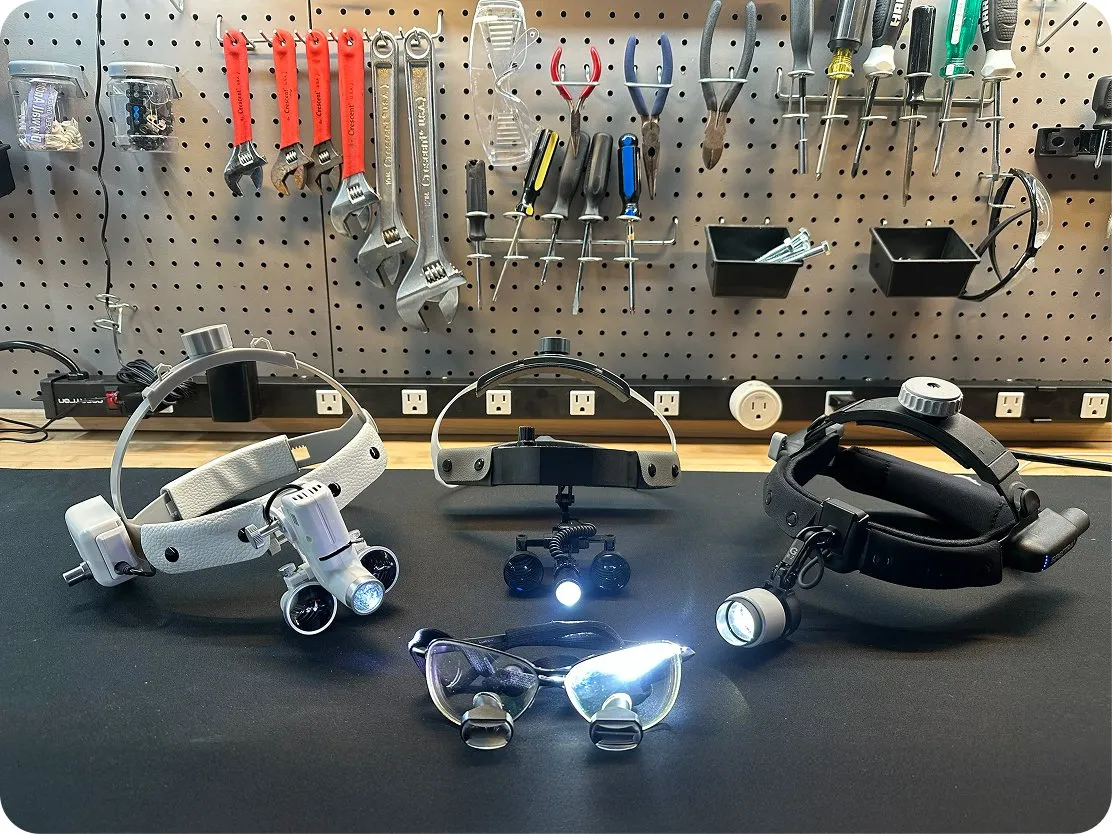
If equipped at all, providers were seen with low quality consumer-grade headlamps made for camping. Blinding patients and nurses, these made precise assessment difficult. He realized he had to change the way care was being provided.
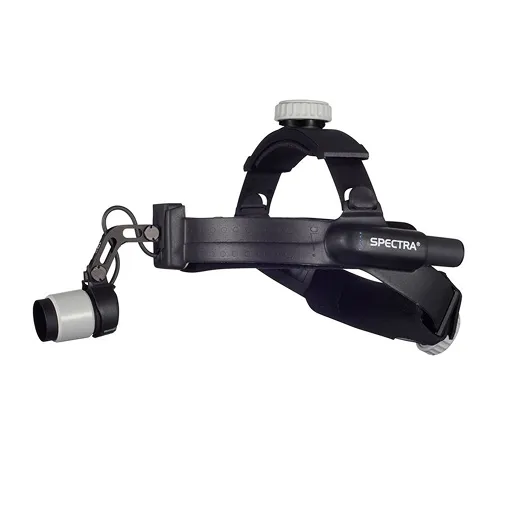
Over the years, he tested headlamp and loupe combinations, evaluating each on brightness, focus, and comfort. The search eventually led him to a state-of-the-art surgical headlamp used by oral surgeons, engineered to deliver consistent, shadow-free illumination in any environment, even when providing care outdoors. Not only that, it is comfortable when cheaper headlamps cause strain over long hours of use. In years of rounding, we've never encountered another practice using surgical-grade lighting.
The result is a team that can see clearly in any setting and assess wounds with a level of precision that directly improves patient outcomes. Better light means better care.
From left to right is an evolution of testing lower to higher quality headlamps. The KLS Martin MedLED Spectra on the right became the headlamp of choice for our team.
Kai Medical Curettes
Sharp debridement is the fundamental procedure in wound care, and the main tool in our practice is a 3mm disposable dermal curette. After years of testing curettes from multiple manufacturers, Dr. Aram kept returning to the Integra Miltex label for their sharpness, control, and durability. Many other instruments proved dull, fragile, or inconsistent under repeated use. Curious about what set them apart, he noticed they were manufactured in Japan and traced them back to their source: KAI Industries in Seki.
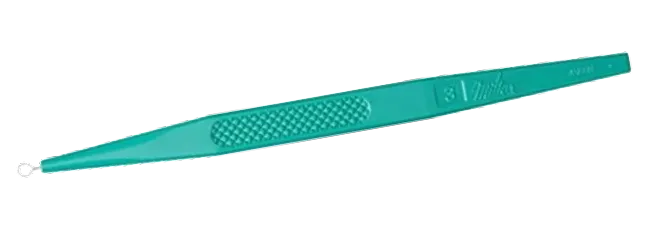
Seki carries over 700 years of blade-making tradition, and KAI Industries is one of the city's most respected manufacturers. Their product line spans shaving razors, kitchen knives, and scissors, all built on the same foundational commitment to a precise, durable edge. KAI Medical, their dedicated medical division, brings that same standard to surgical instruments, including the curettes used by our team. That craftsmanship translates directly into cleaner debridement, less procedural trauma, and better outcomes for patients.
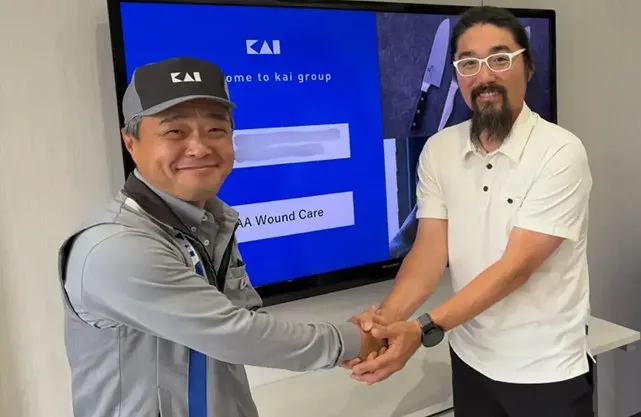
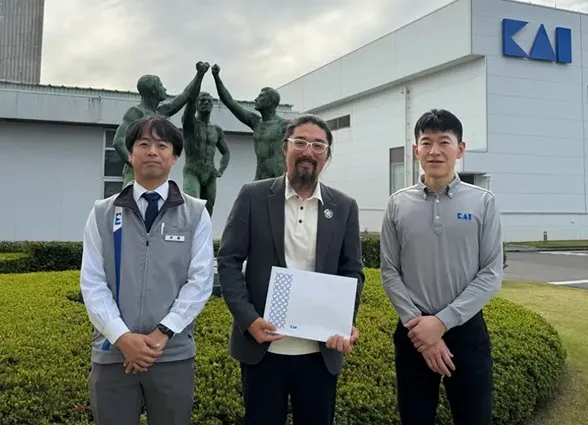
In 2025, Dr. Aram visited KAI Medical’s factory in Seki, establishing a direct relationship with the team behind the instrument and collaborating to improve access to high-quality wound care tools internationally.
Vertically Integrated Skin Composite Grafts (VISC)
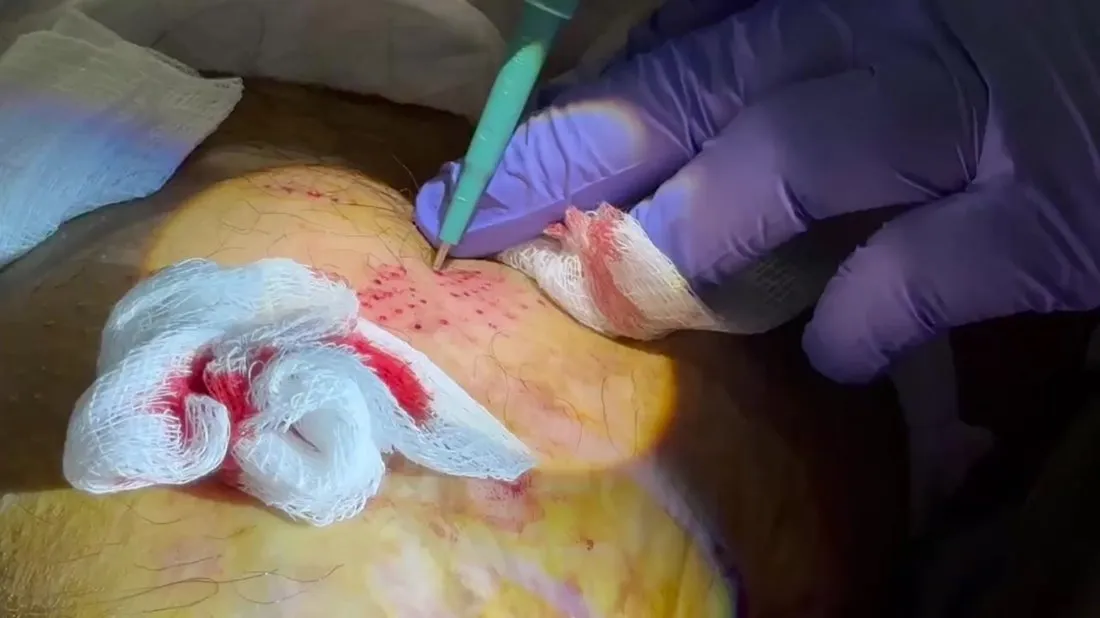
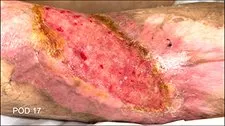
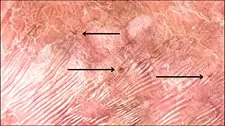
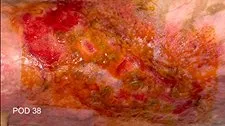
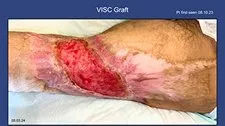
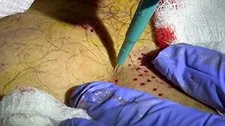
Dr. Aram developed the VISC graft by drawing an unexpected parallel: follicular unit extraction, the hair transplant technique in which small tissue grafts are harvested and relocated to stimulate new growth. If that principle could restore hair, why couldn't it restore skin? Using a punch biopsy tool, small plugs of healthy skin are taken from the patient's own body and placed directly into wounds that have stalled in the healing process. This seeds the wound bed with the patient's own healing biology.
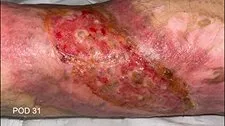
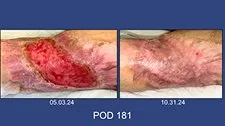
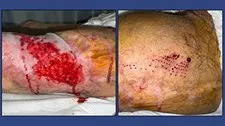
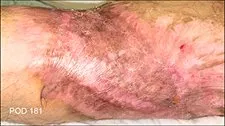
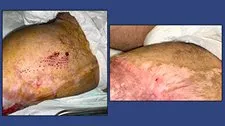
The technique was first applied to a SNF patient with a large chronic leg wound that had been observed since August 2023 and was not responding to conventional treatment. Following the VISC graft procedure, the wound went on to close completely by post-operative day 181. The images below document that journey.
Because it requires no operating room, no general anesthesia, and no surgical team, VISC can be performed in hospitals, skilled nursing facilities, and field environments alike. This brings a true grafting option to patients who previously had none.
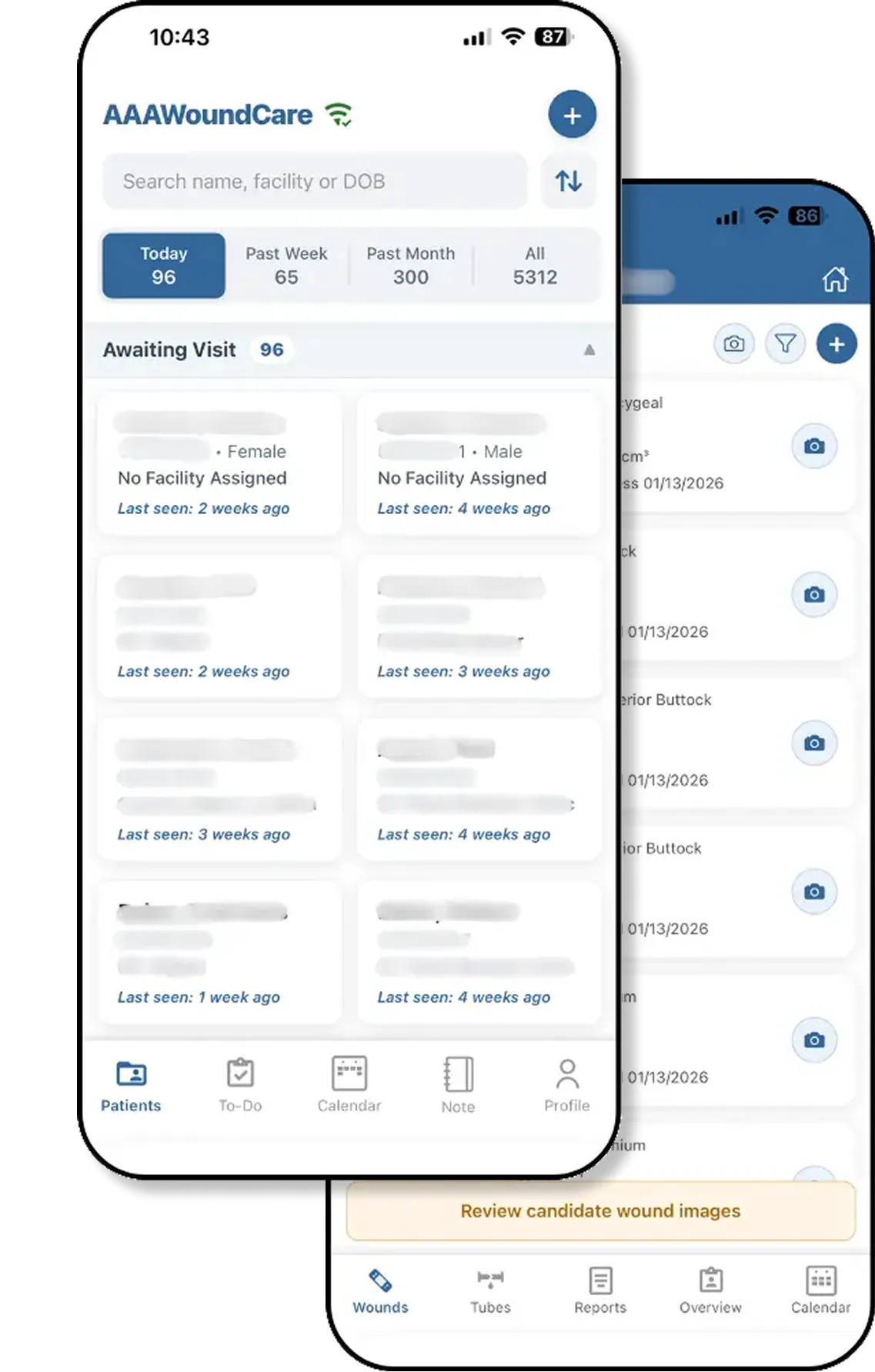
WoundFocus EMR:
WoundFocus is our proprietary EMR built specifically for wound care, available on desktop and iOS. It gives providers, teams, and patients a system to photograph wounds, log clinical notes, and track healing progress over time.
Users can document a visit, review a patient's wound history, and share progress with referring providers seamlessly and in full HIPAA compliance. SNFs and clinics can monitor outcomes across their patient population. Patients can follow their own healing journey.
WoundFocus is available to use anywhere in the United States, HIPAA-compliant, and continuously expanding its database of rigorously documented wound care cases.
If you’re interested in learning more, please contact us at emr@aaawound.com to register with your name, organization, email, and phone number.

Advanced Wound Care Kits
In 2025, AAA Wound Care was chosen for USC Street Medicine's San Diego Affiliate Model Program, where their team consulted with ours to help develop our street medicine program.
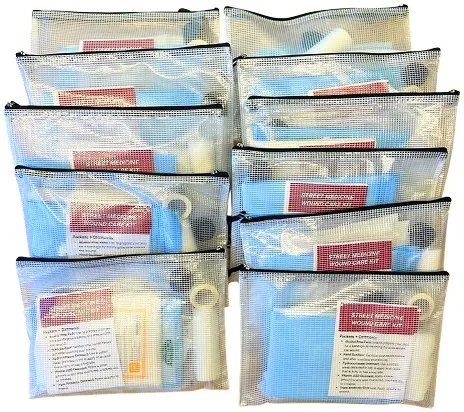
From that collaboration came our advanced wound care kits: compact and practical, designed for wound treatment in resource-limited environments.
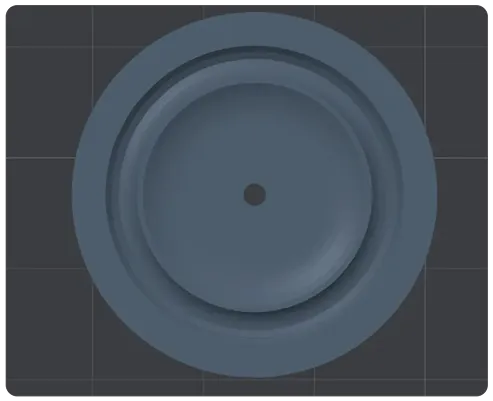
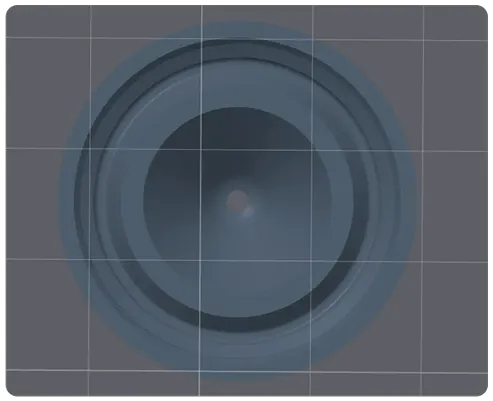
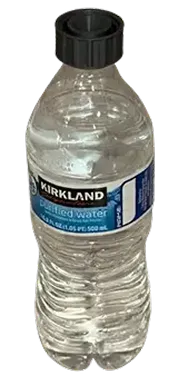
Each kit includes dressing supplies, wound care instructions, and our custom 3D-printed irrigation cap, which converts a standard sealed water bottle into an effective wound irrigation tool.
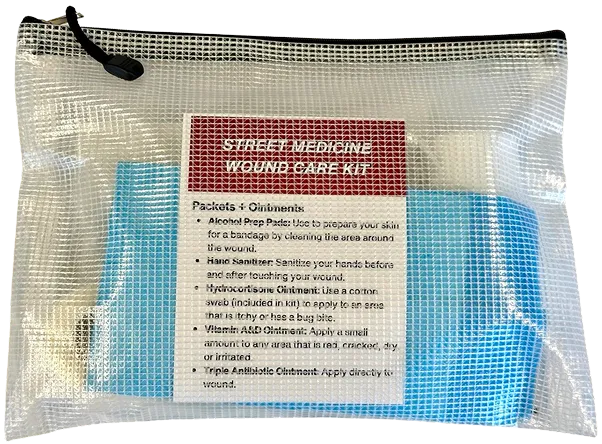
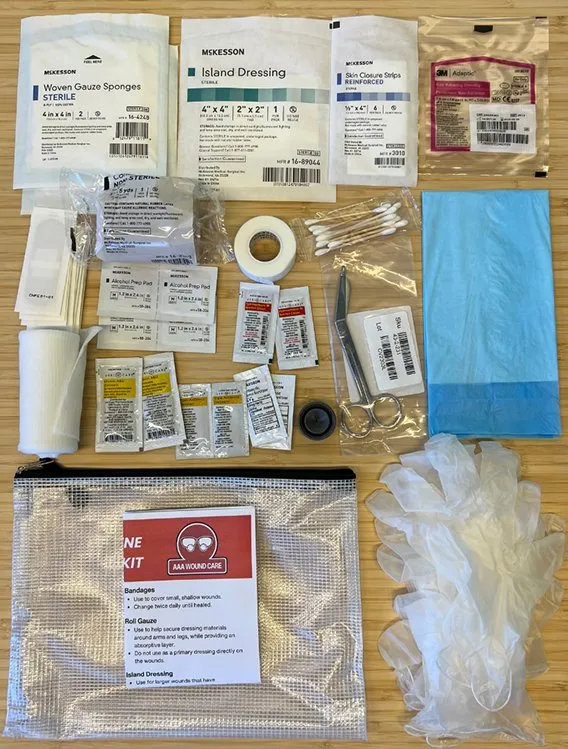
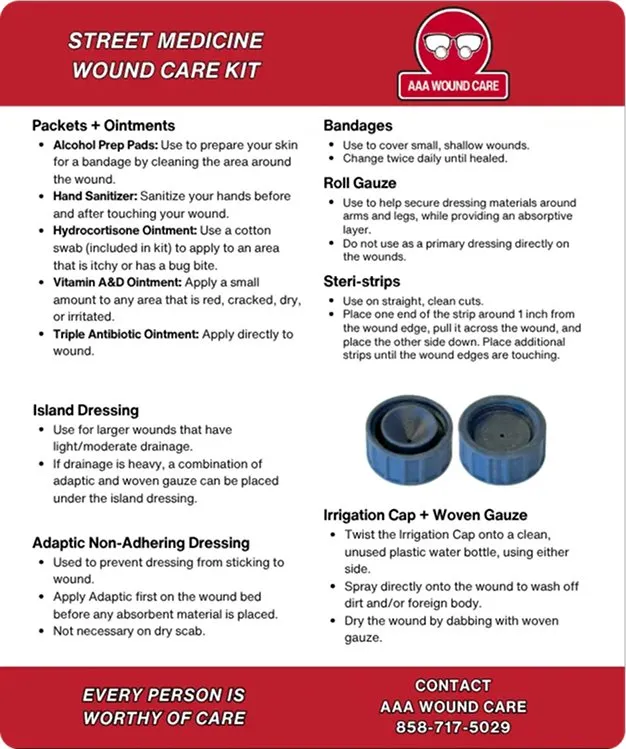
The kits are distributed at no cost to street medicine providers, community groups, and patients without reliable access to wound care. They have been used by organizations including Healthcare In Action and the San Diego Fire-Rescue Department’s Resource Access Program, whose teams regularly encounter unsheltered patients in need of care.
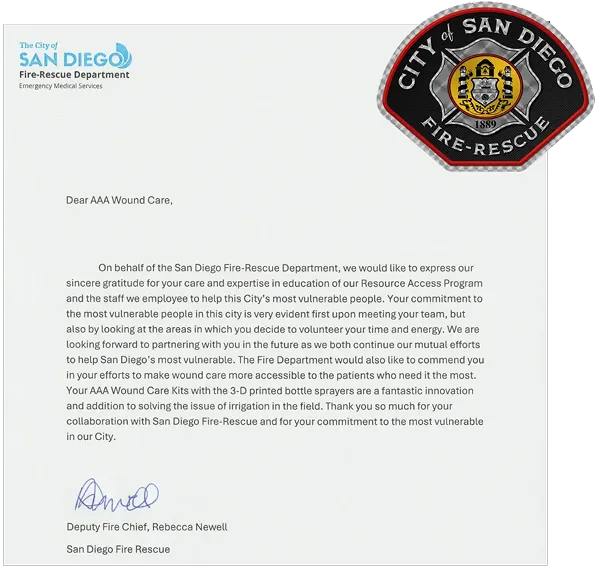
Deputy Fire Chief Rebecca Newell formally commended AAA Wound Care for helping expand access to wound care in the field and specifically recognized the irrigation cap as a meaningful solution to one of street medicine’s most persistent challenges.
In 2026, this work took shape as the Street Wound Foundation, a dedicated initiative carrying our street medicine mission forward.
3D Printed Bottle Caps
Proper wound irrigation reduces contamination and supports healing, yet in street medicine and remote environments, irrigation tools are rarely available.
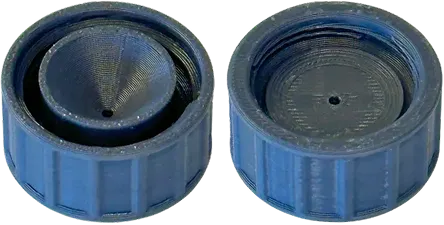
To solve this problem, AAA Wound Care developed a custom 3D-printed irrigation cap that converts a standard sealed water bottle into an effective wound irrigation device. The cap creates a controlled stream of water for cleaning wounds safely and efficiently in the field.
The design originated from a real-world emergency. In 2022, while volunteering with Flying Samaritans in the remote village of Jesús María, Baja California, Dr. Aram treated a volunteer who had fallen onto concrete rebar and sustained a deep knee laceration. With no nearby hospital or proper irrigation equipment available, he improvised by punching a hole into a water bottle cap to generate enough pressure to clean the wound before repair.
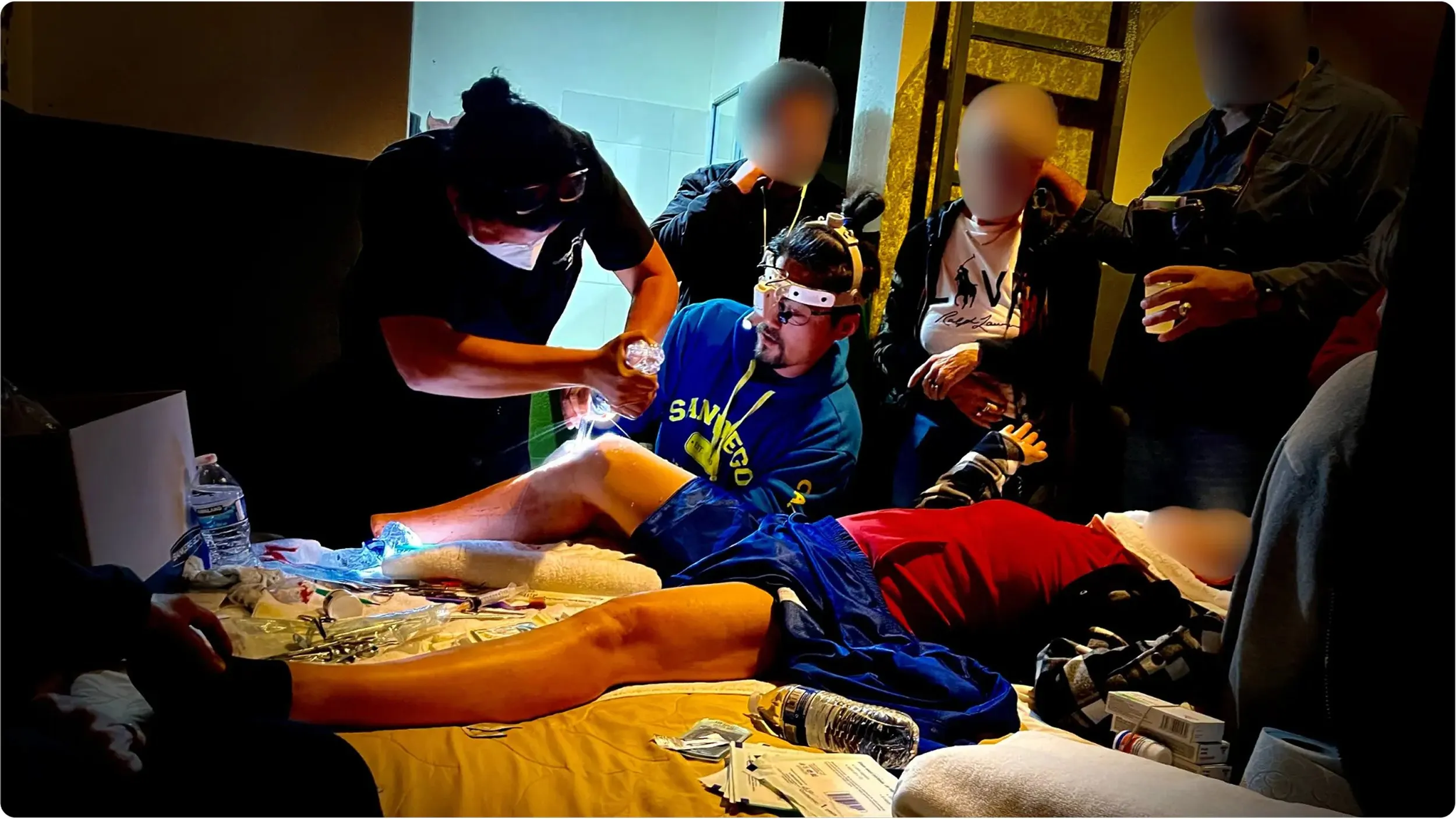
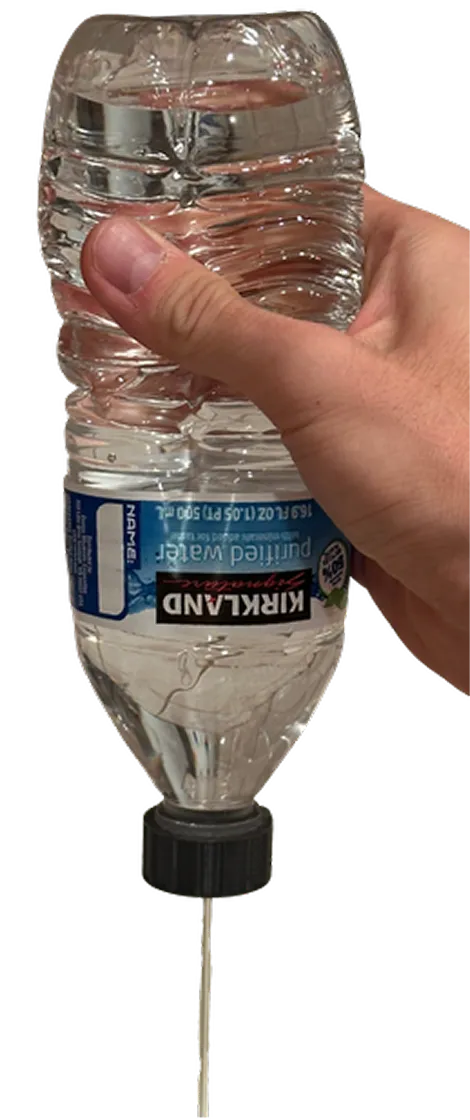
Years later, that field improvisation evolved into a scalable solution. Today, the irrigation cap is distributed alongside our wound care kits for use by street medicine providers, community health workers, and patients managing wounds outside traditional healthcare settings.
The cap is currently produced in two configurations to fit the most commonly available bottle types, allowing low-cost distribution in virtually any environment.